Views: 0 Author: Site Editor Publish Time: 2026-06-03 Origin: Site


We all know the universal phenomenon of "vacation sleep." You sink into the highly sought-after comfort of a luxury hotel room. This plush, restorative experience often seems impossible to replicate at home. Most consumers mistakenly believe the secret lies in a single, ultra-expensive, magical mattress. In reality, hospitality procurement relies on strict standardization and exceptional durability. Properties deploy a highly engineered, modular sleep system designed for mass appeal.
This guide deconstructs the exact specifications, materials, and structural layers behind the world’s top Hotels Bed setups. We will evaluate how you can easily bypass exorbitant hotel-brand retail markups. Finally, you will learn to perfectly spec-match high-quality structural alternatives for your own home.
It’s a Layered System: The 5-star feel isn’t just a mattress; it is a meticulously stacked system comprising a rigid bed base, a highly durable support core, and replaceable plush toppers.
Medium-Firm is the Standard: To accommodate the widest demographic of sleepers, nearly all commercial hospitality beds utilize a medium-firm hybrid or innerspring construction.
The Premium Markup Trap: Purchasing a branded mattress directly from a luxury hotel’s website often carries a high luxury tax; you can achieve the exact same structural performance by evaluating retail counterparts with identical coil-and-foam specs.
Environment Plays a Role: The "hotel feel" is amplified by crisp, white, oversized bedding and the psychological release of being away from home.
Buyers often focus entirely on the mattress itself. They miss the broader picture of B2B procurement realities. Hospitality properties rely on a layered approach rather than a single product. You cannot achieve true 5-star comfort without understanding how these individual layers interact.
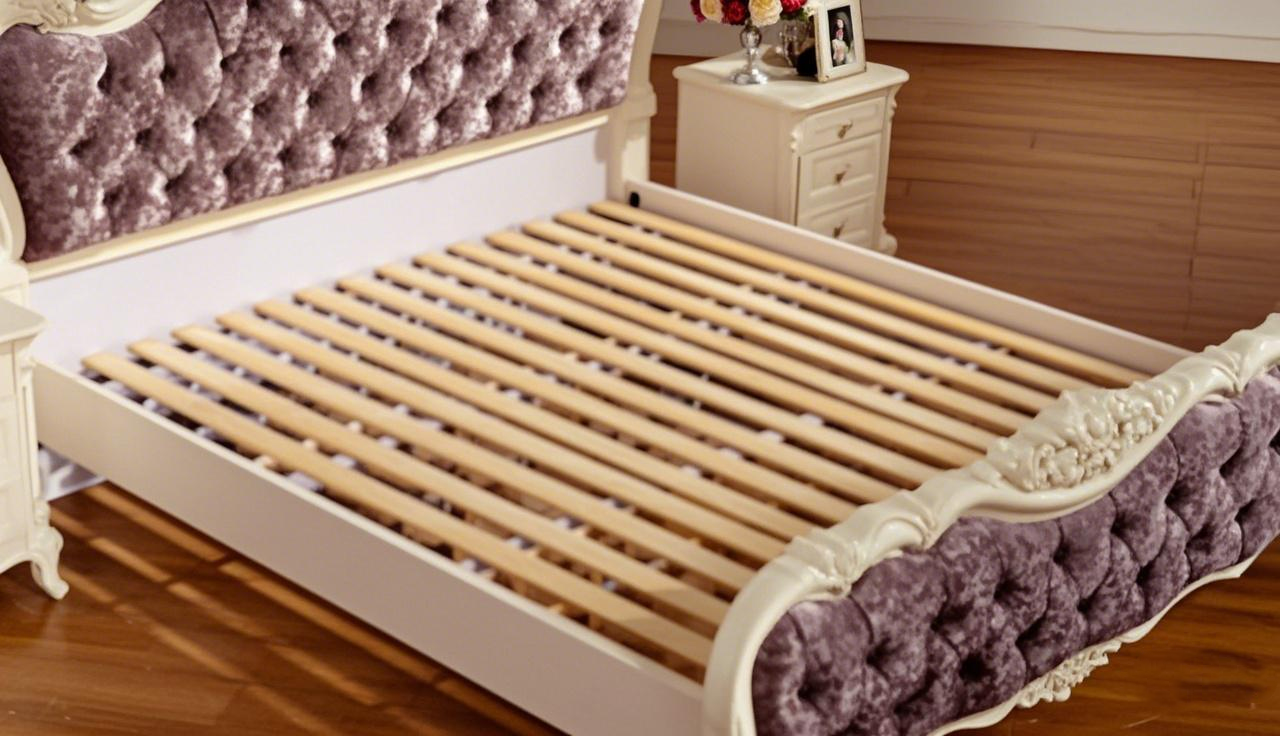
The Foundation (The Bed Base): Hotels rarely use standard slatted frames. Slats can bow or shift over time. Instead, commercial properties rely on heavy-duty box springs or a solid, reinforced bed base. This foundation absorbs shock, extends the mattress lifespan, and elevates the bed's profile. High profiles create a visually imposing, luxurious aesthetic while easing daily duties for housekeeping staff.
The Support Core (The Mattress): The core is typically a heavy-duty innerspring or hybrid model. Designers engineer these mattresses for high-frequency, uniform wear. Commercial coils use thicker steel wire than standard residential models to prevent premature sagging.
The Comfort Layer (The Topper/Pad): Procurement reality dictates strict budgets. Hotels extend mattress life and dial in comfort by using replaceable featherbeds, foam toppers, or plush mattress pads. This modular strategy allows for cost-effective sanitization. Staff can easily swap out a soiled or compressed topper without tossing the entire core bed.
The Maintenance Reality (The 3-to-5 Year Cycle): We must address a common reality check seen across consumer forums. Hotel beds feel universally supportive because they are systematically replaced every 3 to 5 years. Furthermore, they experience distributed wear from varied body types. A home mattress is slept on by the same person, in the exact same spot, every single night. This concentrated wear degrades residential beds much faster.
Best Practice: When building your own layered system, allocate your budget primarily to the foundation and support core. You can continually upgrade the comfort layer over time.
Satisfying your search intent requires looking closely at industry standards. We will maintain an objective, brand-agnostic tone while exploring the real products sitting inside luxury suites.
The Marriott & Hilton Approach: These massive global chains rely on custom "Hospitality Versions" manufactured by legacy brands. Often referred to as the "S-Brands," these manufacturers produce heavy-duty commercial lines. Marriott and Hilton frequently utilize 13-inch quilted hybrids. These models feature high-density foam encasements around the perimeter to prevent edge collapse.
The Westin "Heavenly Bed" System: This famous model revolutionized hotel sleep. Deconstructing it reveals a 14-inch pillow-top hybrid. It features individually pocketed coils designed to isolate movement. Reinforced edge support ensures guests can sit comfortably on the side while putting on shoes.
The Four Seasons Customization: The Four Seasons takes an innovative approach to guest comfort. They offer a choice of three distinct firmness toppers: Signature, Plush, and Firm. These toppers zip directly onto a standardized hybrid core. This system guarantees customized comfort while keeping underlying maintenance simple.
Equinox & Boutique Luxury: Ultra-premium and wellness-focused resort properties push boundaries further. They are shifting toward natural materials like latex, wool, and mohair. These properties integrate temperature-regulating technologies directly into the mattress cover to ensure optimal sleep hygiene.
To replicate this experience, you need a definitive decision framework. Feature-to-outcome mapping helps consumers buy a comparable bed without relying on brand names alone. Below is a comprehensive breakdown of the essential specifications.
Construction Type (Hybrid Dominance): Pure memory foam is rarely used in commercial settings. All-foam models suffer from severe heat retention. They also lack bounce and often fail to satisfy varied sleeper preferences. Hybrids dominate the market. They combine supportive steel coils below and conforming foam above. Hybrids offer the necessary spine-aligning pushback and deliver superior durability.
Target Firmness (The 6-7/10 Rule): You might wonder why "Medium-Firm" acts as the universal hospitality baseline. A medium-firm core provides necessary lumbar support for back and stomach sleepers. Properties achieve the initial soft feel by relying on a thick euro-top or an external featherbed for pressure relief. This hybrid firmness universally satisfies side sleepers without alienating back sleepers.
Edge Support & Motion Isolation: Hotels require robust perimeter enforcement. High-density foam-encased edges prevent sagging when guests sit on the edge. Individually pocketed coils isolate movement perfectly. When one partner shifts at night, the other partner remains entirely undisturbed.
Thermal Regulation: Cooling components are critically important. Hotels accommodate fluctuating room temperatures and diverse sleeper metabolisms. Look for gel-infused foams, breathable coil cores, and specialized phase-change covers. Some ultra-luxury models even incorporate brass air vents to expel warm air from the mattress core.
Feature Category | Commercial Standard | Outcome for Sleeper |
|---|---|---|
Core Material | Hybrid (Pocketed Coils + Foam) | Spinal alignment, excellent bounce, high durability. |
Firmness Level | Medium-Firm (6-7 out of 10) | Universal support across multiple sleeping positions. |
Edge Support | Foam Encasement / Thicker Perimeter Coils | Prevents roll-off, allows comfortable sitting on the edge. |
Temperature | Gel-infused foams, breathable covers | Prevents night sweats, adapts to body metabolism. |
This section provides high-value guidance. We want to steer you away from overpriced branded options toward high-quality, spec-matched alternatives.
The "Official Hotel Store" Markup: Many consumers simply visit a hotel's lifestyle website and purchase the branded bed. We must transparently discuss the pricing premium applied here. Buying directly via these portals often carries a markup exceeding $1,000. You are paying for the brand logo embroidered onto the mattress cover, not necessarily better internal materials.
How to Spec-Match at Retail: You can save substantially by learning how to read a spec sheet. If a hotel bed advertises "pocketed coils accompanied by a 2-inch gel foam pillow top," you can identify direct-to-consumer (D2C) or retail equivalents. Many modern online brands offer this identical build for 30% to 40% less. Compare coil counts, foam densities, and total thickness. If the numbers match, the sleep experience will match.
Warranty and Trial Discrepancies: Commercial hotel beds sold to consumers often lack consumer-friendly policies. They frequently omit the generous 100-night sleep trials offered by modern D2C mattress brands. Furthermore, warranties on hotel-branded beds may be restrictive. Modern retail brands typically offer extended lifetime warranties and hassle-free returns.
Criteria | Buying Direct (Hotel Store) | Retail / D2C Equivalent |
|---|---|---|
Average Cost | $2,000 - $3,500+ | $1,200 - $1,800 |
Sleep Trial | Rarely offered (or strict 30-day rules) | 100 to 365 nights |
Return Policy | Customer pays heavy return shipping fees | Often free returns / full refunds |
Brand Prestige | High (Official Hospitality Label) | Moderate (Consumer Brand Label) |
Common Mistake: Do not assume a retail bed is inferior just because it lacks a luxury hotel's logo. Focus strictly on the structural layers.
You can expand the holistic bedroom environment far beyond the mattress. To truly replicate the slumber oasis, you must address visual psychology and textiles.
Visual Hygiene & Bedding Psychology: Adopt the "all-white bed" strategy. Hotels use pristine white sheets to signal impeccable cleanliness. This visual hygiene instantly lowers psychological stress. When you walk into a bedroom featuring crisp white bedding, your brain associates it with a fresh, safe environment.
Oversized Comforters: Hotels employ a brilliant dimension trick. They use duvet inserts slightly wider and longer than standard sizes. For example, properties might place a King-sized duvet on a Queen-sized bed. This creates a plush, cascading look. It feels immensely enveloping and covers the entire sleeping surface generously.
Textile Upgrades: Avoid cheap synthetic fabrics. Polyester retains heat and pills quickly. We recommend 250+ thread count percale cotton. Percale provides a crisp, breathable snap. Pair these high-quality sheets with high-loft down or premium down-alternative inserts. Use four medium-firm pillows arranged symmetrically to finish the aesthetic.
We have explored the engineering secrets behind commercial sleep setups. The ultimate hospitality sleep experience relies on standardized firmness and robust structural layers. It demands a heavy-duty base rather than retail magic. By understanding how the foundation, mattress, and toppers interact, you can completely transform your bedroom.
Actionable Next Steps:
Prioritize purchasing a highly durable medium-firm hybrid mattress from a reputable retail brand.
Ensure the brand offers a strong sleep trial to test the firmness in your own home.
Invest the capital you saved on brand markups into a premium plush topper.
Upgrade your linens to high-quality, all-white percale cotton to complete the visual and physical system.
A: They almost exclusively use medium-firm models. This accommodates the widest range of sleepers. They achieve a "soft" initial feel using thick pillow-tops and featherbed toppers, not a soft core system.
A: High profiles communicate luxury and ease housekeeping duties. This is achieved by combining a thick 13-14 inch mattress with a rigid, 8-inch+ bed base or box spring.
A: A standard double room typically features two Queens (60"x80"). Single luxury rooms feature a King (76"x80"). Full-size beds are increasingly rare in modern hospitality.
A: Yes, many major chains have online boutiques. However, you are often buying a modified version manufactured by a major retail brand, complete with a substantial "brand name" markup.


