Views: 0 Author: Site Editor Publish Time: 2025-11-13 Origin: Site


Can hotel furniture make or break a stay? Matching furniture with hotel design is key. It shapes comfort, style, and guest experience. In this article, you’ll learn to choose wisely. We cover themes, materials, colors, and layouts, showing strategies for cohesive and functional spaces.
Before purchasing furniture, it is critical to define your hotel’s core aesthetic. Whether your property embraces modern minimalism, boutique eclecticism, luxury opulence, or coastal relaxation, understanding the primary style streamlines your furniture selection. Sleek, neutral-toned pieces work well in modern interiors, while boutique hotels benefit from unique, artisanal designs. Aligning furniture choices with the core theme reduces visual clutter and reinforces the intended atmosphere.
Understanding guest expectations is essential when choosing furniture for hotel interiors. Frequent travelers may prefer ergonomic workspaces, families might value multi-functional seating, and leisure guests often seek comfort and relaxation. Matching hotel furniture theme to these preferences ensures guests feel considered, enhancing their satisfaction and likelihood of returning.
Furniture should serve as an extension of your brand identity. Selecting consistent colors, materials, and finishes allows every area—from lobby to guest rooms—to reinforce brand recognition. Thoughtful coordination in hotel interior furniture design supports a narrative that communicates luxury, comfort, or creativity, depending on the hotel’s positioning.
Effective layouts are crucial for usability and aesthetics. Assess room sizes, corridors, and public spaces to determine the right furniture size and arrangement. Well-planned spacing prevents overcrowding and promotes smooth circulation, helping guests navigate areas comfortably while maintaining operational efficiency.
Selecting the right materials ensures longevity and cost-efficiency. Wood, metal, upholstery, and composites each offer distinct advantages. For example, solid wood and high-quality metal withstand frequent use, while upholstered pieces enhance comfort. It is important to weigh material durability against aesthetic goals, ensuring functional performance over time.
Comfortable furniture directly impacts guest satisfaction. Chairs, sofas, and beds should provide ergonomic support, accommodating diverse body types and activities. Consider textures, cushioning, and finishes that balance durability with a luxurious feel. By carefully choosing furniture for hotel interiors, hoteliers can create welcoming environments that invite prolonged use.
High-traffic areas require finishes resistant to wear, moisture, and cleaning chemicals. For example, leather and treated fabrics offer durability in lobbies and dining areas. Finishes should complement overall design while minimizing maintenance needs, ensuring spaces remain visually appealing without frequent replacements.
Eco-friendly materials and finishes appeal to environmentally conscious guests and enhance brand reputation. Recycled metals, sustainably sourced woods, and low-VOC coatings align sustainability with elegance. Prioritizing these options in hotel interior furniture design demonstrates corporate responsibility while maintaining style standards.
Furniture should seamlessly integrate with wall colors, flooring, and décor. Neutral palettes often provide a flexible foundation, while accent pieces introduce vibrancy without overpowering the room. Harmonization enhances the perception of space and creates a visually balanced environment.
Accent furniture or textiles can reinforce the hotel’s theme. Subtle color pops in cushions, artwork, or statement chairs attract attention and add personality. Properly coordinated accents prevent visual monotony while highlighting design highlights in guest rooms and communal areas.
Combining complementary tones creates a welcoming atmosphere. Warm wood finishes paired with cool metals or upholstery can soften stark interiors, producing both comfort and elegance. Such color balance ensures visual interest across diverse spaces without disrupting the hotel’s cohesive identity.
Mixing materials, patterns, and finishes adds sophistication and depth to interiors. Velvet upholstery on chairs, natural wood tables, and metallic lighting accents provide a tactile experience that enhances the guest perception of quality. Layered textures help differentiate functional areas while maintaining stylistic coherence.
Color & Texture Coordination | Recommended Application | Benefit |
Neutral tones (beige, grey) | Base furniture | Versatile and calming foundation |
Metallic accents | Lighting & fixtures | Adds sophistication and visual contrast |
Soft upholstery fabrics | Lounge chairs & sofas | Enhances comfort and luxury feel |
Mixed wood finishes | Tables & desks | Introduces warmth and natural elements |
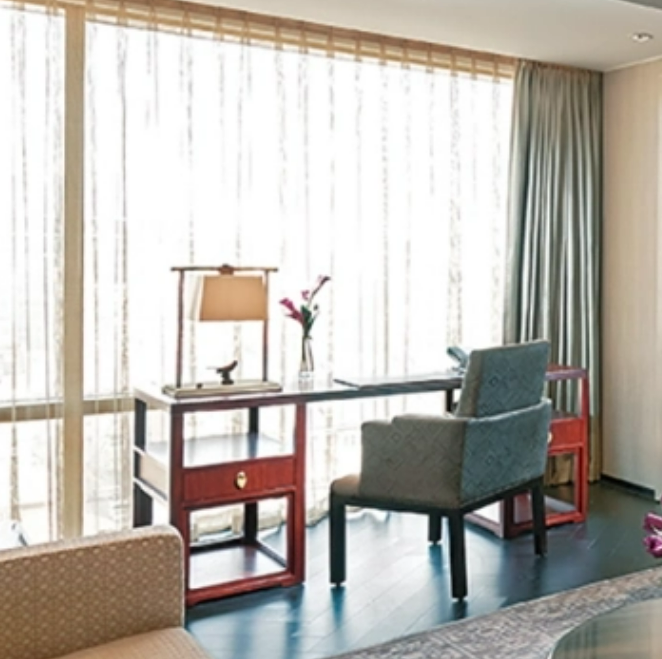
Strategically arranging furniture in guest rooms is key to maximizing both usability and comfort. Beds, desks, seating areas, and storage units should be positioned to allow smooth movement and accessibility. Thoughtful alignment with the hotel’s interior design theme ensures rooms feel spacious, uncluttered, and functional. Using modular pieces can help adapt layouts to different room sizes or guest needs, improving flexibility without compromising style or aesthetics. Consider lighting placement alongside furniture to create cozy, well-lit spaces that enhance guest comfort and visual appeal.
Lobby, dining, and lounge furniture must support both traffic flow and social interaction. Flexible arrangements, such as movable seating clusters or modular tables, accommodate varying guest needs and event setups. Proper planning prevents overcrowding and allows staff to operate efficiently while maintaining aesthetic coherence. Coordinating furniture across zones ensures the public spaces feel unified, welcoming, and easy to navigate. Incorporating visually appealing focal points, such as statement chairs or sculptural tables, adds sophistication and encourages guests to linger comfortably in these areas.
Ensuring accessibility is a critical component of thoughtful hotel design. Furniture layouts should comply with ADA guidelines, providing wider pathways, adjustable-height surfaces, and appropriately spaced seating. This ensures all guests, including those with mobility challenges, can access rooms and public spaces safely. Inclusive design also reinforces brand credibility and demonstrates a commitment to diverse clientele. By integrating ramps, tactile cues, and ergonomic furniture, hotels can enhance the overall guest experience while promoting social responsibility and operational efficiency.
Modular and convertible furniture provides significant operational versatility. Foldable tables, stackable chairs, extendable seating, and multifunctional storage units allow spaces to adapt to fluctuating occupancy levels, events, or seasonal requirements. Thoughtfully coordinating hotel furniture design with multifunctionality maximizes investment value while maintaining consistent aesthetics. Additionally, multi-purpose furniture reduces clutter and simplifies maintenance, supporting an organized and visually harmonious environment. Such flexibility ensures that both guest satisfaction and operational efficiency are optimized across rooms and public areas.
Calculating the total cost of ownership is crucial for informed furniture procurement. Beyond the initial purchase price, consider installation, maintenance, and replacement cycles to ensure realistic budget planning. Investing in high-quality, durable furniture may require higher upfront costs but reduces long-term expenses through lower maintenance and replacement needs. Factoring in these costs enables hoteliers to make strategic decisions that balance aesthetics, functionality, and financial efficiency while avoiding unexpected expenditures over the furniture’s lifecycle.
Budget allocation should focus on areas with the highest guest impact, such as lobbies, dining spaces, and premium guest rooms. Secondary or back-of-house areas can utilize cost-effective but visually compatible furniture to maintain overall design harmony. This approach allows hotels to enhance the guest experience in high-visibility spaces without overspending. Prioritizing strategic areas also ensures the most critical touchpoints reflect the hotel’s brand identity and design standards, creating a memorable impression that encourages repeat visits and positive reviews.
Striking a balance between quality and affordability is essential. Materials and finishes should be durable yet elegant, providing long-term value without compromising aesthetics. Avoid cutting corners that could negatively affect guest comfort or visual consistency. Strategic sourcing and careful vendor selection allow hotels to acquire high-quality furniture within budget constraints. This approach ensures that investments in furniture support operational efficiency, guest satisfaction, and brand perception, creating a strong return on investment over time.
Implementing cost-saving strategies can optimize procurement without sacrificing style or quality. Negotiating bulk orders, flexible payment plans, and strategic supplier partnerships can reduce per-unit costs while maintaining design integrity. Early planning and coordinated purchasing also prevent last-minute rushes and associated price premiums. Thoughtful sourcing, combined with careful budgeting, ensures a stylish, cohesive hotel interior furniture design that meets both functional and financial goals.
Modern and minimalist hotels benefit from sleek lines, neutral color palettes, and uncluttered silhouettes. Furniture should emphasize functionality, efficiency, and visual simplicity while creating an open, airy feel. Coordinating furniture pieces for hotel interiors maintains uniformity across rooms, public spaces, and ancillary areas, enhancing spatial flow. Selecting modular, low-profile furnishings also supports adaptability, making it easier to refresh spaces or adjust layouts without compromising the clean, minimalist aesthetic that guests expect.
Boutique and eclectic hotels thrive on customizable and artistic furniture. Pieces should reflect local culture, craftsmanship, and creativity, providing memorable experiences that differentiate the property from competitors. Properly matching furniture harmonizes contrasting elements, balancing color, texture, and form to maintain visual coherence. Unique furniture items, such as hand-crafted chairs or artisan tables, can act as conversation starters and focal points, enhancing both functionality and storytelling within the hotel’s interior design theme.
Luxury hotels demand high-quality materials, plush upholstery, and statement furniture to evoke elegance and comfort. Furniture should coordinate with the hotel’s premium aesthetic, using rich textures, polished metals, and carefully selected color schemes. Investing in quality pieces reinforces brand positioning while ensuring long-term durability. Properly aligned hotel furniture design creates spaces that feel indulgent yet functional, providing guests with an elevated experience that complements the hotel’s overall luxury image.
Coastal and beach-themed hotels benefit from light-colored, airy furniture and natural textures. Open layouts, casual seating arrangements, and relaxed furniture placements promote a seamless flow between indoor and outdoor areas. Matching hotel furniture theme to coastal aesthetics enhances the tranquil, vacation-like atmosphere. Materials such as rattan, wicker, and treated wood evoke natural elements, while light textiles and soft finishes maintain comfort and durability in sun-exposed or high-traffic spaces.
Selecting low-maintenance fabrics and finishes reduces labor costs and preserves aesthetics. Materials like treated leather, vinyl, and powder-coated metals are durable, easy to clean, and suitable for high-traffic areas. Simplifying upkeep ensures consistent guest satisfaction and helps maintain operational efficiency. Cleaning-friendly designs also extend furniture lifespan, reducing the frequency of replacement and minimizing disruption to guest experiences.
Investing in high-quality frames and materials enhances durability and reduces replacement cycles. Solid wood, reinforced metal, and premium upholstery deliver long-term value and maintain visual appeal over time. Considering lifespan during selection supports operational efficiency and cost management, while also ensuring that furniture continues to meet both aesthetic and functional standards.
Regularly collecting and analyzing guest feedback on furniture comfort, usability, and appearance informs continuous improvement. Adjusting furniture choices based on guest experiences helps hotels maintain high satisfaction levels and preserve brand reputation. Feedback-driven refinements enable hotels to align hotel interior furniture design with evolving expectations, ensuring that spaces remain inviting and functionally effective.
Comprehensive warranties and responsive supplier support are essential for protecting investments. Quick access to repairs, replacements, and technical support ensures operational continuity and reduces downtime. Verified warranties provide peace of mind, allowing hotels to confidently invest in higher-quality pieces. Proper supplier coordination also supports ongoing maintenance, safeguarding both the aesthetic and functional integrity of furniture over its lifecycle.
Matching hotel furniture with interior design enhances comfort, style, and guest satisfaction. Thoughtful selection of materials, colors, and layouts creates cohesive, functional spaces. Foshan H&P Furniture Co.,Ltd provides high-quality, durable furniture that supports these goals, adding value to every hotel interior.
A: Hotel furniture refers to all furnishings used in guest rooms, lobbies, and public spaces. Proper hotel interior furniture design enhances comfort, aligns with your brand, and improves the overall guest experience.
A: Start by identifying your hotel's core style, such as modern, boutique, or luxury. Coordinating hotel furniture design with color schemes, textures, and layouts ensures a cohesive and functional environment.
A: Consider durability, comfort, and maintenance. Selecting materials and finishes that withstand frequent use while reflecting the hotel's style helps in matching hotel furniture theme effectively.
A: Yes, modular and convertible pieces support flexible layouts. Incorporating multi-functional furniture helps maximize space and efficiency while coordinating hotel furniture design.
A: Optimized layouts in rooms and public areas enhance comfort, accessibility, and traffic flow. Proper arrangement ensures guests feel comfortable and spaces align with hotel interior furniture design principles.
A: Harmonizing furniture tones with walls, flooring, and decor creates visual unity. Thoughtful color choices reinforce your hotel’s style and improve the impact of matching hotel furniture theme.
A: Custom furniture allows personalization to reflect local culture or brand identity. Using tailored pieces helps achieve boutique or luxury aesthetics while coordinating hotel furniture design.
A: Prioritize high-impact areas like lobbies and rooms, then choose durable yet affordable materials. This strategy maintains style, functionality, and supports matching hotel furniture theme.
A: Replacement depends on wear, guest feedback, and style relevance. Regular maintenance and thoughtful upgrades extend lifespan while ensuring hotel interior furniture design stays current.
A: Experts can help choose, customize, and coordinate furniture across spaces, ensuring cohesive design and operational efficiency while optimizing the impact of matching hotel furniture theme.


